
Con fecha 05/02/2021 se publicó la Res. 54/2021 del Ministerio de Trabajo, Empleo y Seguridad Social, estableciendo que el Régimen Legal del Contrato de Teletrabajo, previsto por la Ley Nº 27.555, entrará en vigencia el 1° de abril del 2021.

Con fecha 05/02/2021 se publicó la Res. 54/2021 del Ministerio de Trabajo, Empleo y Seguridad Social, estableciendo que el Régimen Legal del Contrato de Teletrabajo, previsto por la Ley Nº 27.555, entrará en vigencia el 1° de abril del 2021.
ACTIVIDAD PROFESIONAL

Con fecha el 29 de enero de 2021 ha finalizado el período de Licitación y el Fideicomiso con fecha 2 de febrero del corriente año ha emitido y liquidado Valores Fiduciarios por V/N $ 179.486.273.- de las siguientes clases: Valores de Deuda Fiduciaria Clase A por V/N $ 119.924.013.- Valores de Deuda Fiduciaria Clase B por V/N $ 5.496.517.- Valores de Deuda Fiduciaria Clase C por V/N $ 54.065.743.-

Arrancó la primera de las cuatro fases de la implementación de la banca abierta en Brasil.
La puesta en marcha de la banca abierta en el país más grande de América Latina probablemente marque un antes y un después para el resto de los países de la región.

Compartimos con ustedes una nota publicada por el Diario Bitcoin, denominada “Todo sobre Bitcoin y Criptomonedas en Paraguay”, que contiene una guía de lo más importante a la hora de operar o comerciar con Bitcoin y criptomonedas en ese País, así como de la adopción de la tecnología Blockchain.

Con fecha 08/01/2021 se ha publicado la Comunicación A 7199, que regula aspectos relevantes sobre la protección de usuarios de servicios financieros, que analizamos en el informe que incluimos a continuación
Can tokenization really alleviate inflation for developing countries around the world? This is a common question amongst modern-day economists and emerging technology enthusiasts alike. It turns out that tokenized agriculture via blockchain technology is indeed providing significant opportunities for crucial economic relief.
A prime example of this brings us to Argentina, where farmers are grappling with a plummeting peso amidst pandemic uncertainties, with net currency reserves near zero and inflation risking to 40%. Tokenized agricultural assets could offer farmers the ability to seek a hedge against inflation and access liquidity via certified financial titles accessible by both national and international investors. With more than 40% of the world’s soybean oil and soy-meal production coming from Argentina, it is of great national interest that smallholder farmers can liquify their real, physical assets.
Agricultural-backed tokens are becoming a critical solution to solving volatility and liquidity issues inherent in most cash and stock-based saving plans. As such, tokenized agriculture has the potential to help developing countries generate more investment and export opportunities across a range of agricultural industries.
Speaking with Coreledger, a platform that allows businesses to access the benefits of blockchain technology, they shared news of their new partnership with Abakus, a soon to be launched P2P marketplace. Together they aim to launch a digital barter economy in Argentina, enabling farmers to tokenize their agricultural assets and seek relief from looming hyperinflation. Such a marketplace would enable farmers to redeem and trade their tokenized titles with any other tokenized asset on the Abakus platform. This means that soybeans could effectively work like an asset-backed currency, and be traded for cattle, corn, or even the peso.
“In an inflation-stricken country, access to physically-backed assets can be the difference between surviving and thriving for these farmers”, said Johannes Schweifer, CEO of CoreLedger. Meanwhile, Martin Furst, CEO of Abakus commented, “the tokenization of agricultural assets brings greater agency to farmers who can now sell the physical-backed assets according to their own needs.”
So there you have it, a soy story of sorts, a new use case of how tokenization can help developing communities. It remains to be seen whether agricultural-backed tokens truly solve volatility and liquidity issues inherent in cash and stock-based saving plans. The argument in favor is that these tokens become actual stablecoins, backed by real assets, not unstable fiat currencies. Tokenized agriculture will no doubt provide an opportunity for developing countries to generate more investment and export opportunities across a range of agricultural industries, improving financial inclusion on the ground, and giving locals a medium of exchange that’s not at risk of devaluation.
Fuentes: Forbes publicado 27/01/2021
ACTIVIDAD PROFESIONAL
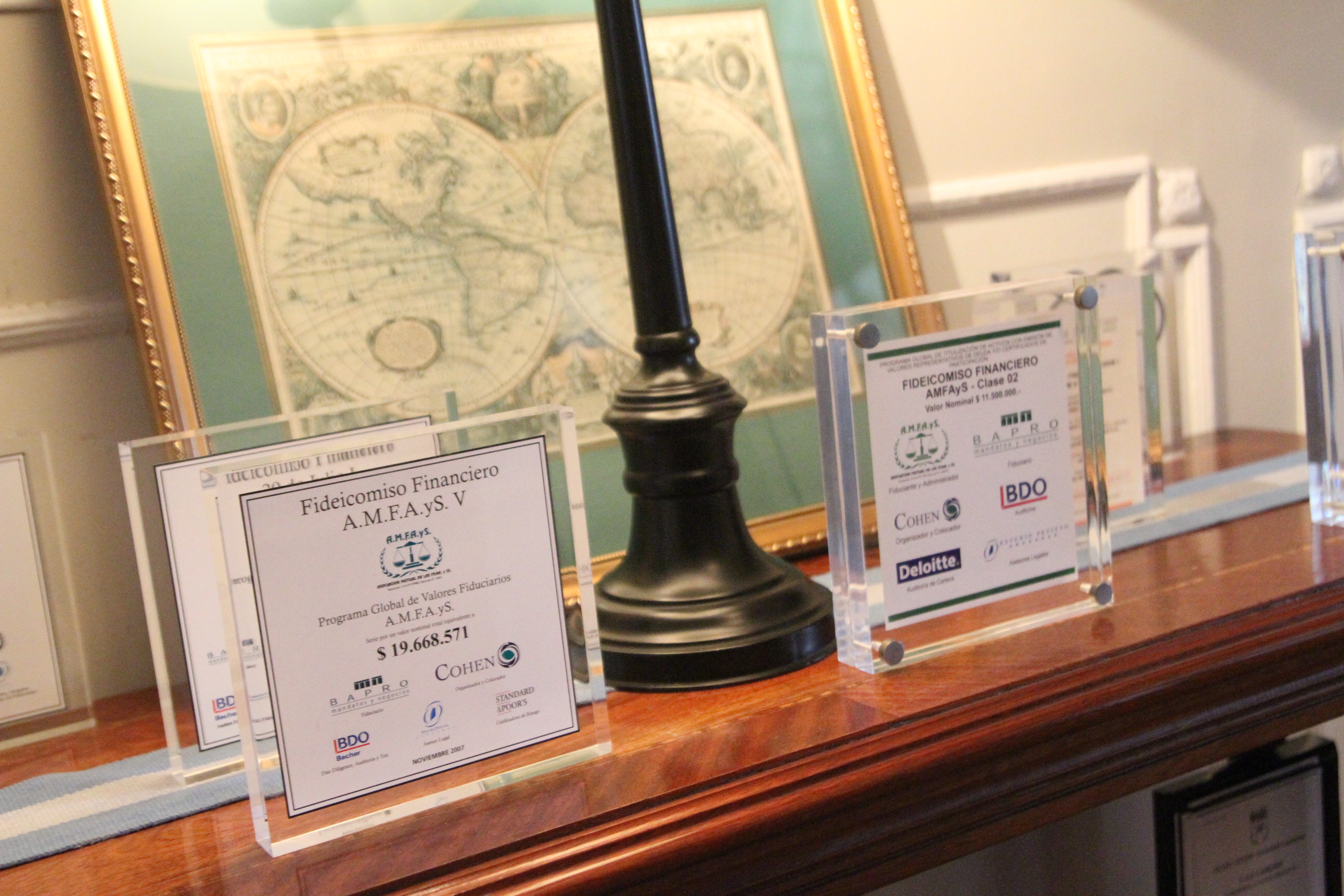
Estudio Petitto, Abogados ha participado como asesor legal en la emisión de Valores Fiduciarios con Oferta Pública, en el marco del Fideicomiso Financiero AMFAyS Serie 35, emitidos bajo el Programa Global de Valores Fiduciarios Asociación Mutual AMFAyS.

En uso de las atribuciones conferidas por el artículo 59 del Estatuto de la Revolución Argentina,
El presidente de la Nación Argentina Sanciona y Promulga con fuerza de
Ley:
LEY DE SEGUROS
TITULO I
DEL CONTRATO DE SEGURO
CAPITULO I
DISPOSICIONES GENERALES
SECCION I
Concepto y celebración
Definición
Artículo 1. Hay contrato de seguro cuando el asegurador se obliga, mediante una prima o cotización, a resarcir un daño o cumplir la prestación convenida si ocurre el evento previsto.
REGLAMENTO GENERAL DE LA
ACTIVIDAD ASEGURADORA
RESOLUCIÓN REGLAMENTARIA DE LA LEY Nº 20.091
APROBADO POR RESOLUCIÓN SSN Nº 38.708 DEL 6/11/2014
(T.O. RESOLUCIÓN SSN Nº 482-2020 DEL 17/12/2020)

